Mina the Hollower is the Hollow Knight of Zelda (derogatory)
I’m begging indie game devs to stop making their games more like Dark Souls.
I’m sick to bastard death of games taking inspiration from Dark Souls, Bloodborne, and Sekiro. FromSoftware has seemingly put a curse on indie devs to be unable to take a breath without thinking about parries, corpse runs, multi-stage boss fights, and enemy rich level design where the best strategy is to just run away like you’re in a slasher film.
I should clarify that I actually loved Dark Souls and Bloodborne. I ultimately disliked Sekiro, but I “put it down” multiple times before giving up one last time on Sword Saint Isshin.
The analogy I’m going with on this right now is that indie devs seem to think they’re creating the new “peanut butter & jelly sandwich” every time their genius level intellects dares to combine aspects of disparate games into one whole. But all too often I feel like they’ve actually invented the “peanut butter & sardines” sandwich. And I like sardines! But they have a time and a place: nowhere near peanut butter, and clearly advertised.
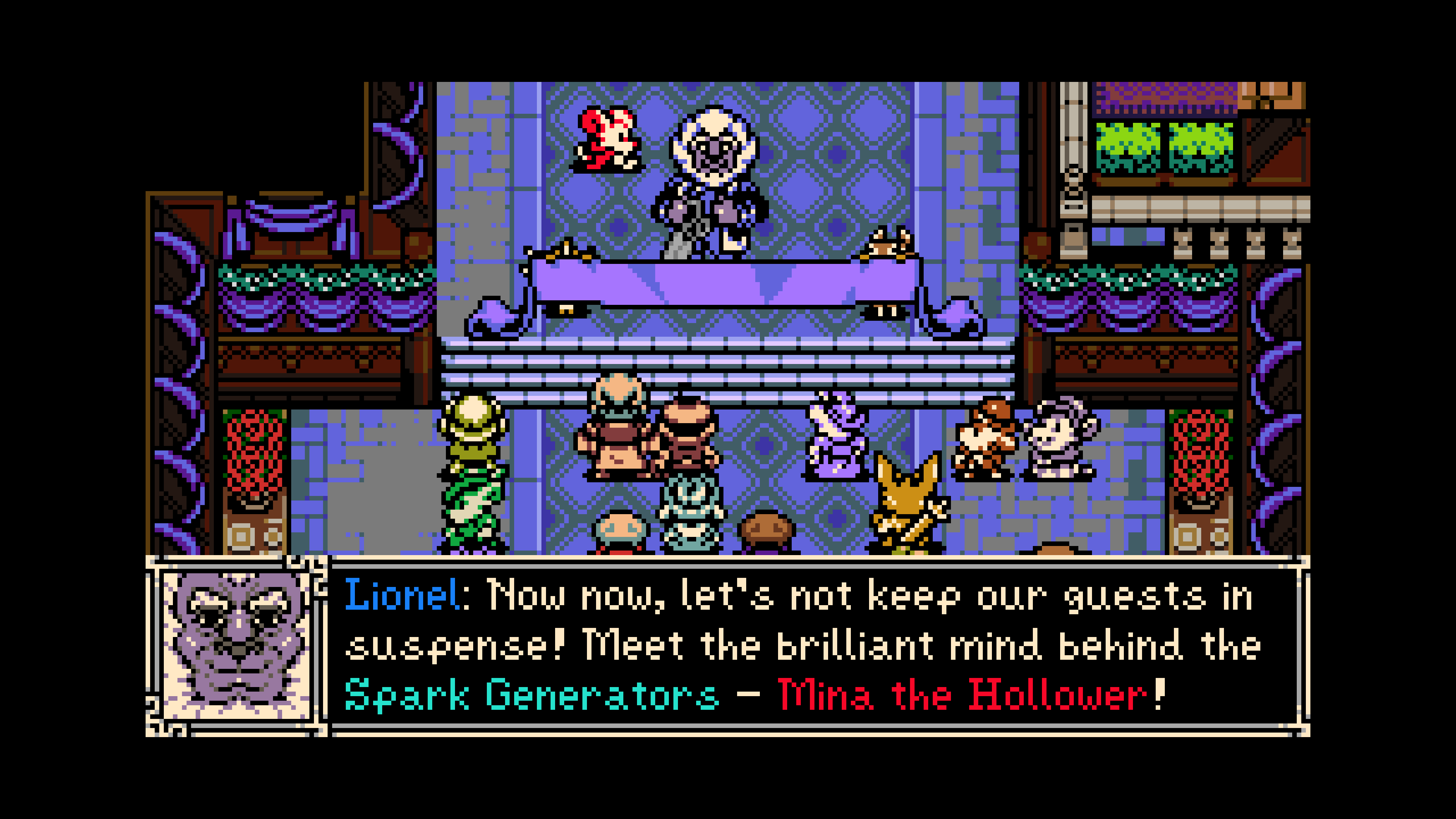
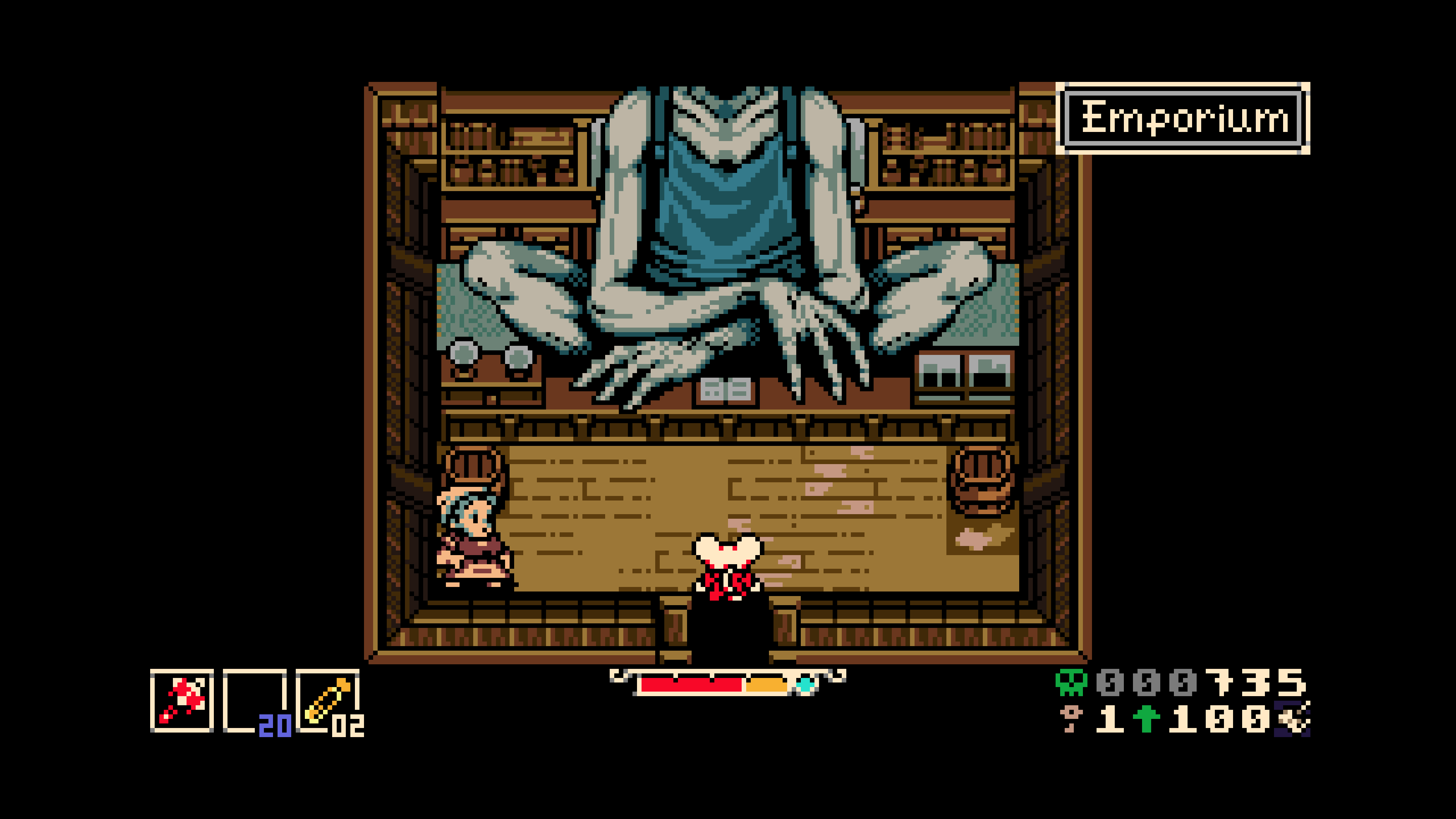
This game’s greatest sin to me is looking like it’s a love letter to Game Boy Color era Zelda titles, but playing like something else entirely. And the graphics are nearly immaculate. The sprite work flooded me with emotions. Though it does have the minor annoyance of plotting the upscaled pixel art on a native resolution-sized canvas, causing pixel misalignment issues as you move. But such sins are forgivable.
I almost loved Hollow Knight when I played it, but its bloated influence from Dark Souls left a sour taste in my mouth. The Castlevania formula I love, tainted by a game I no longer have the patience for.
The funniest part about this game giving Zelda vibes but then revealing itself to be severely Souls-like with a heaping portion of ill-advised platforming is… it’s not even the first game I’ve played with this exact issue. About a year ago, Pipistrello and the Cursed Yoyo had me declaring it a game with an identity crisis.
The specifics of Pipistrello vs Mina are quite different, yet my Pros & Cons list would look very similar at a high level.
It’s a real shame I didn’t like this game, because I loved Shovel Knight. And I’m not even much of a Mega Man fan. And just like Shovel Knight, Jake Kaufman (virt) laid down a masterful soundtrack to enjoy.
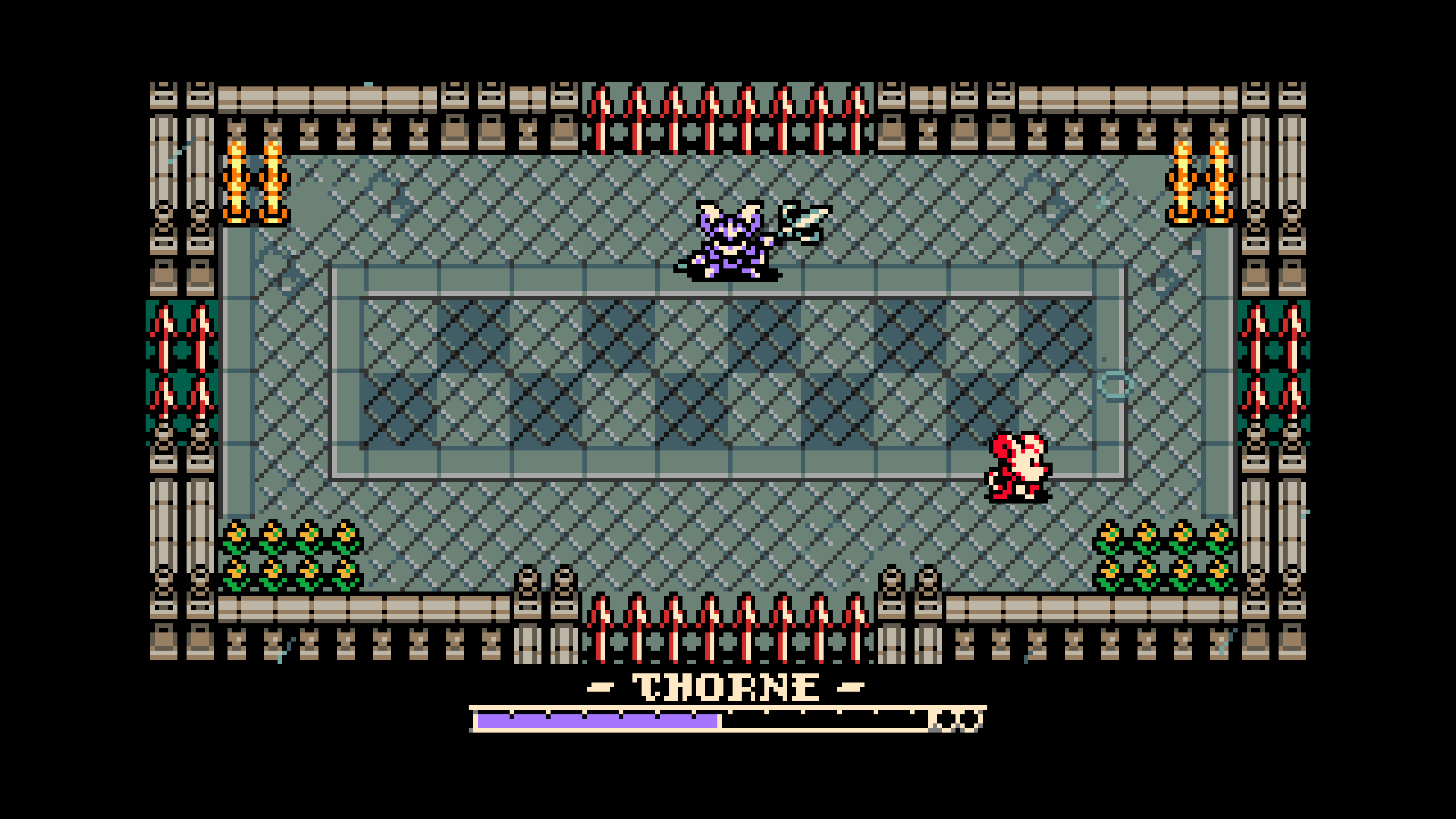
I’m shelving this game after 6 hours. I beat the tutorial boss three times (once with each starting weapon), the second mandatory boss, and finished the first(?) dungeon.
The first two bosses felt like absolute damage sponges, despite me dumping almost every point into attack. If you’re meant to avoid damage through good positioning, then you sure are awfully slow compared to enemies, with a low attack range. If you’re meant to avoid damage through the “burrowing” mechanic… well… you have to jump then dive to use it, which means you need to be a second ahead of the boss. This only really works if you’re playing 100% defensively, since weapon animations make you too sluggish to respond in time with your burrow.
I only tackled the third boss with cheat codes on (“modifiers” as they’re called in game), a system that generally marks your save file as tainted and disables achievements. I kept the bosses at full HP and despite my maximum attack stat I was still shocked at how much health the first dungeon boss had. AND THEN it rose from the dead with a new health bar to mark its second form. I laugh thinking about it.
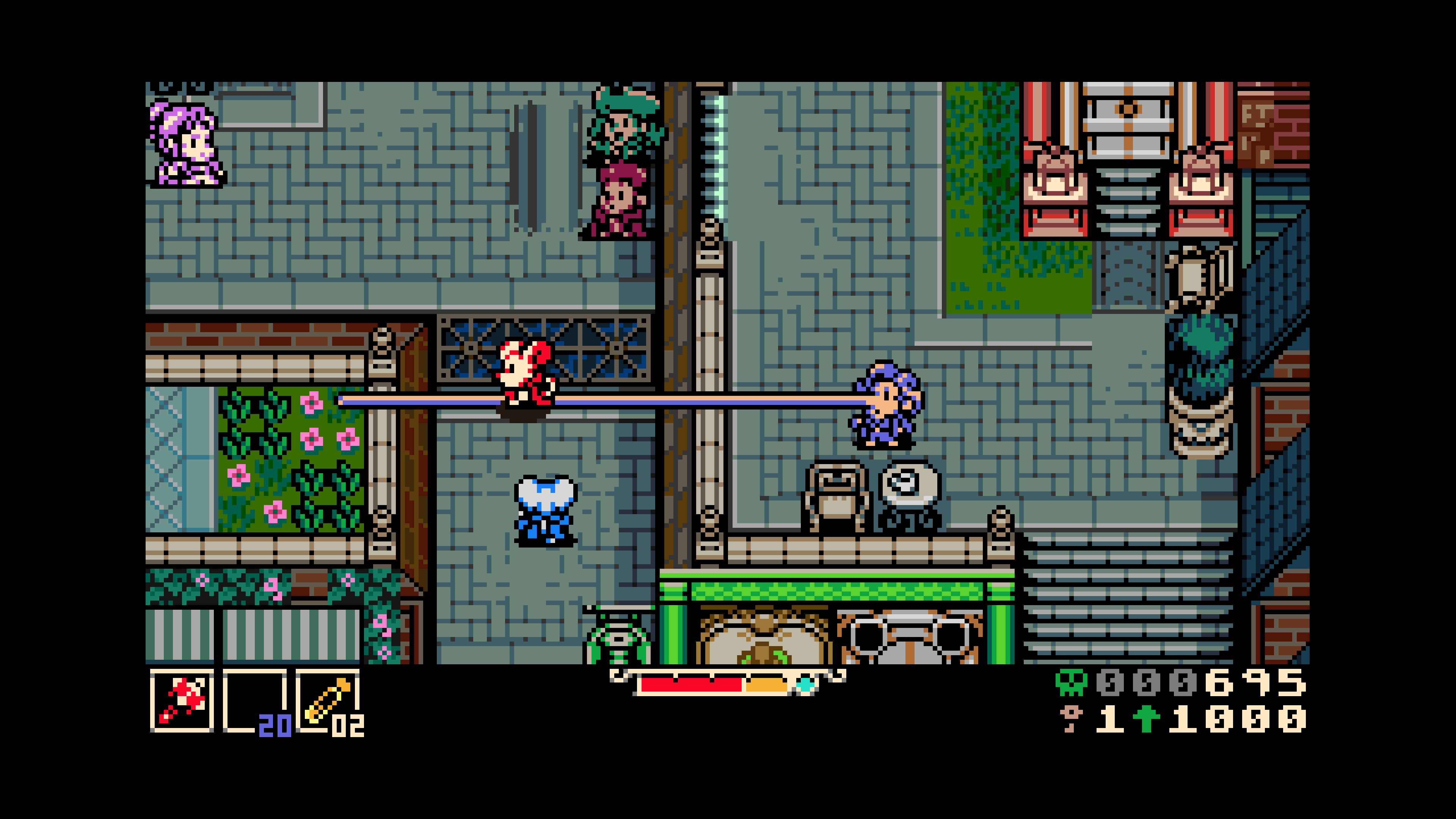
I hope you don’t like puzzles in your Zelda-like, because this game seems to have eschewed puzzles in favor of platforming. Yes, fucking platforming in a top down 2D game. It’s just as hard to discern as you might imagine. Sure, a few games had you use Roc’s Feather / Roc’s Cape to platform, but this is a lot tougher. And the level designers were not shy about adding a healthy scoop of enemies on top of your platforming.
Zelda’s “Small Keys” have an analogue here with “Kears”, but their application is global—you can take a Kear found in any area and use it for any lock in the entire game. So rather than having a dungeon you carefully unlock piece by piece, it’s just a stupid currency used to gate you out of global exploration.
Speaking of level design, I was shocked to discover that even non-dungeon areas are absolutely crawling with monsters. And they’re often so strong that the only reasonable choice is to run away and hope they don’t kill you. If you’re unlucky enough to fall to an enemy, they often steal all your “bones” (that’s what your “souls” currency is called here) and hold them hostage, waiting for you to come back and kill them. Yeah, like they’ll grab the bones off the ground so you can’t just run by and get them back.
Each screen is densely populated with enemies, to the point of making the pacing exhausting. And to make matters worse, there’s no map in this game! (Aside: Apparently you can get a high level “island map” but that’s not the same thing).
Healing is probably the worst aspect of this game, though. You have “vials” which need to be filled with “plasma” to heal. You generate plasma primarily by damaging enemies. Sure, in Bloodborne you had the “rally” system where attacking enemies could leech some of your health back, but that was on top of having straight up healing, not instead of it. Brutal. At least you don’t have to grind for vials in this game like Bloodborne. You do get them back every time you rest in your burrow (this game’s “bonfire”).
Classic Castlevania-style subweapons exist as “sidearms” in this game, but I spent nearly the entire 6 hours with no sidearm because it’s lost upon death, and only found in the environment in hidden locations.
Apparently the “trinkets” (equippable items, a la Hollow Knight) can make the game quite a lot easier, but I hadn’t found any meaningful ones before I hung up my hat on this game.
I’m also fatigued about “leveling up” as a concept in non-RPG games. Zelda and Metroid use carefully placed secrets to reward your curiosity with extra power. This game only rewards your skill in combat/persistence with additional combat prowess.
I’ve seen a lot of people hail the extremely high amount of “modifiers” you can use to enable an easier (OR harder!) game experience as the perfect way to balance this game for everyone. I would like these people to consider that making a game more forgiving of failure is a cheap way of making a game easier.
Imagine a boss can move incredibly quickly, has a jump attack, a feint, and a ground pound with a massive radius. A move set like this might be a severe challenge depending on what your character is like. And simply papering over it with modifiers to give yourself more health, or the boss less, doesn’t make the encounter meaningfully different. An actual “easier” game might have tuned the boss to move slower, shrunk their attack radius, or removed the feint from their arsenal. Making me fight the exact same cracked out boss but with twice as many mistakes allowed feels… hollow (haha).
If you like this game: great! I’m happy for you. My “Dark Souls” era is extremely over, and I’m lamenting another game that’s so lovingly crafted but filled with decisions I dislike.